
In tennis, it’s common to talk about technique, training, and character. But there’s one thing that’s often overlooked too late: equipment. And more often than not, it’s the reason why one player develops quickly, while another stagnates for years.
The problem is that people usually choose a racket “by eye” or “like someone else’s.” And that’s almost always a mistake.
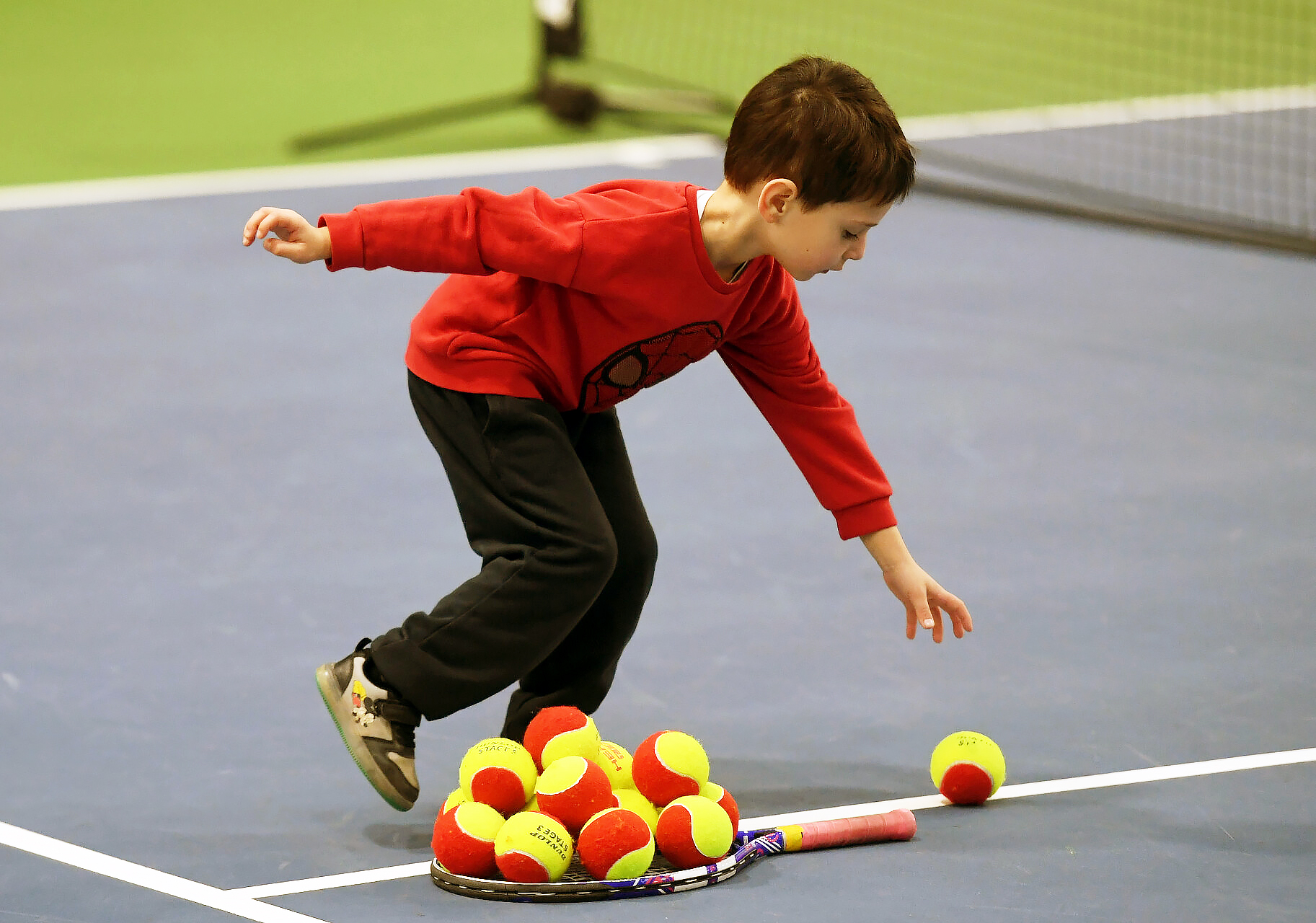
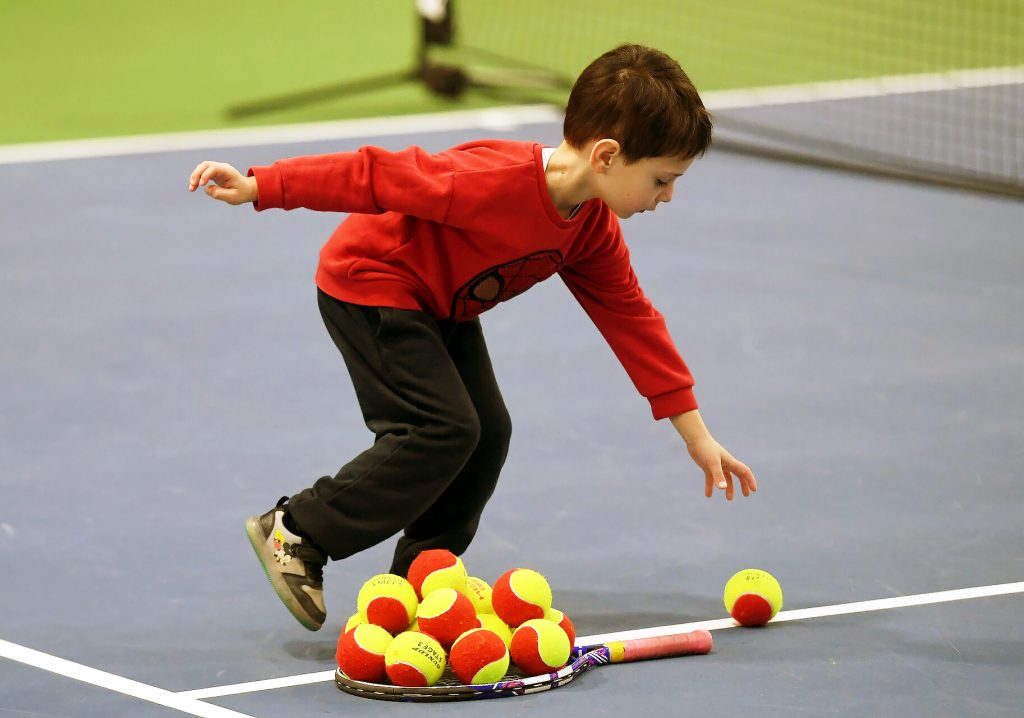
In children’s and junior tennis, choosing the wrong racket affects not only the game but also the technique itself. If the racket is too heavy or stiff, the child begins to compensate with their body. This leads to tension, improper arm and wrist movement, and, as a result, errors become ingrained, which are very difficult to correct.
Interestingly, even at the highest level, the choice of “how to play” is often artificially shaped. One of the most famous examples is Rafael Nadal . He is naturally right-handed, but his uncle Toni switched him to playing left-handed as a child because his shot looked stronger that way. This decision influenced his entire career and playing style.
Such details in tennis are not accidental.
Strings are another underrated component. Most parents don’t pay attention to them at all, believing the most important thing is the racket itself. But the strings determine the feel of the shot, the control, and the load on the hand.
Strings that are too stiff or tensioned too high provide more control, but increase strain. In children, this can lead to elbow or shoulder problems. That’s why, in the early stages, comfort and feel for the ball are more important than “professional settings.”
Trying to copy professional equipment is one of the most common mistakes. Top players have different physiques, different technique, and a completely different training volume. What works for them often simply doesn’t work at the junior level.
Now, the main thing: How to choose the right one.
A racket should match the player’s current skill level, not their ambitions. If a child can’t swing freely with the racket, if their movements become constrained, if tension appears in their hand, this is a sign that the racket is too heavy or simply unsuitable. The right racket feels “easy to play,” even if it’s not the lightest.
Don’t buy a racket “to grow into.” In tennis, this almost always slows down development. It’s better to change rackets as you grow than to immediately buy a model you’re not ready for.
When choosing a racket, it’s important to pay attention to balance and head size. Children and beginners prefer rackets with a larger string surface area–they’re more forgiving and help them feel the ball. This is especially important during the technique development stage.
With strings, the principle is even simpler: the younger and less experienced the player, the softer the tension should be. Hard strings and high tension are for established players, not for those just learning.
The optimal approach is to choose strings that are comfortable and allow you to play without strain. If you experience fatigue or discomfort in your hand after playing, it’s time to reconsider your string tension or type.
And finally, the most important rule: don’t choose equipment alone. The best solution is to discuss the choice with a coach. They see the player’s technique, understand their level, and can offer advice on things that might be invisible to outsiders.
In practice, everything seems simple. If a player plays freely, controls the ball, and has fun, then everything is set up correctly. If the game turns into a struggle with the racket, the problem is almost always the racket.
The right gear doesn’t make a champion. But the wrong one can seriously hinder your ability to become one.