
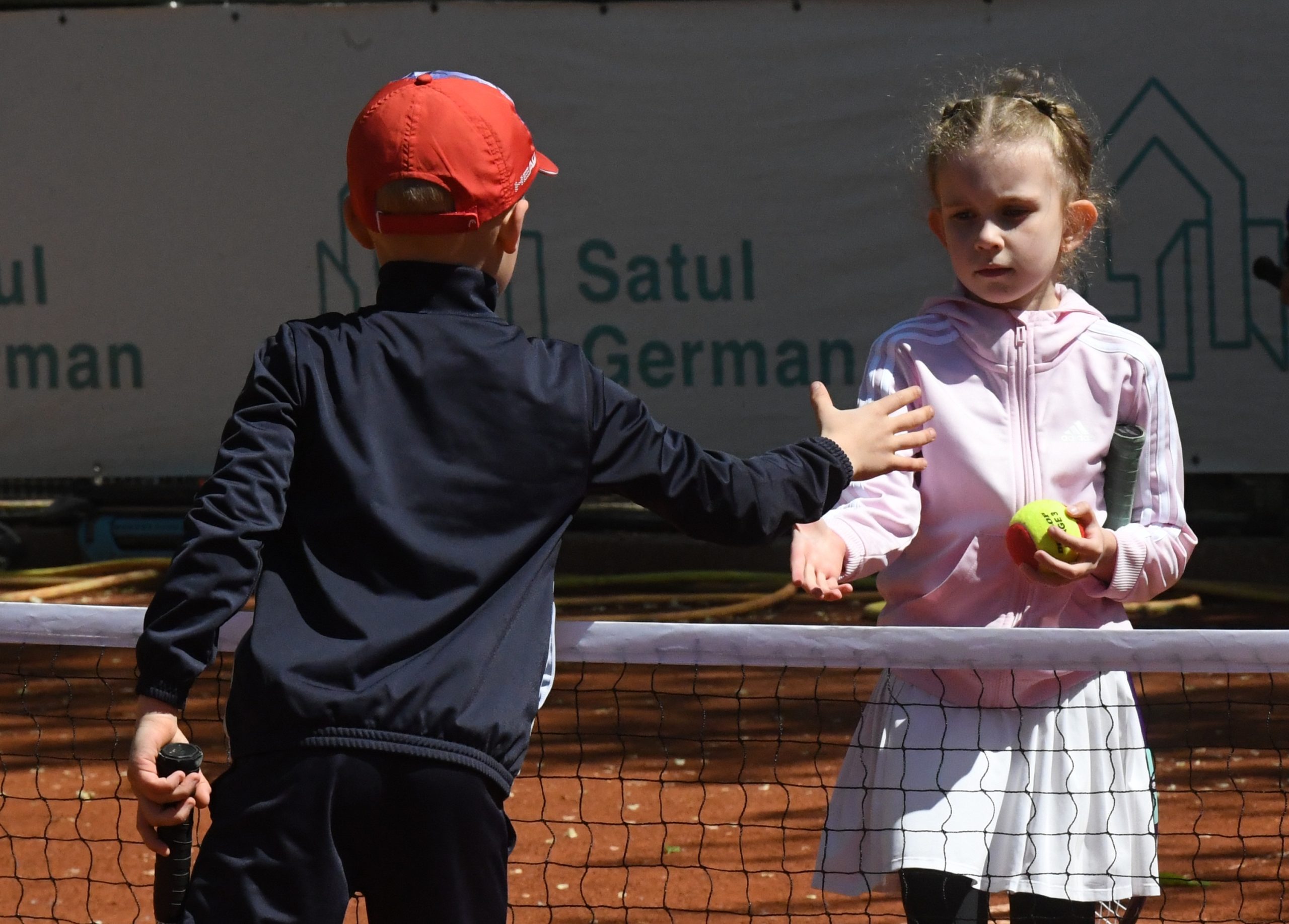
When parents bring their child to tennis, they most often think about physical development: coordination, speed, endurance, and proper posture. Some dream of competition, others simply want their child to move more and spend less time in front of a screen. But tennis has another side that isn’t immediately apparent. It begins training not only the body but also character very early on.
The French Tennis Federation (FFT) recently devoted a separate article to this topic. Mélanie Maillard, an FFT sports psychology specialist, identified several qualities that tennis is particularly good at developing in children: concentration, independence, emotional management, decision-making, and the ability to interact with others. And if you look closely at a typical training session or a children’s match, it becomes clear why tennis is capable of producing such an effect.
On the court, a child is constantly forced to maintain their attention. The ball moves quickly, the situation changes literally every second, and decisions must be made independently. No one can stop the rally or tell them the best play. Even at an early age, tennis players learn to switch off the outside world for a few minutes and concentrate on a specific task. In the age of smartphones, notifications, and an endless stream of short-form content, this quality is especially valuable.
But concentration isn’t the only thing. Tennis quickly teaches a child independence. In a team sport, you can always hide behind your teammates to some extent. On a tennis court, that’s not an option. You serve, you make mistakes, you choose the direction of your next shot, and you must find a way to turn a losing match around. A coach is only present to a certain extent–the athlete makes most of the decisions on their own.
This ability gradually transfers beyond sports. The child learns to be responsible for results, organize themselves, manage their efforts, and find solutions to problems rather than waiting for someone else to do it for them. This is why athletic experience often pairs well with academic success: the habit of working regularly and seeing things through to completion proves useful far beyond the court.
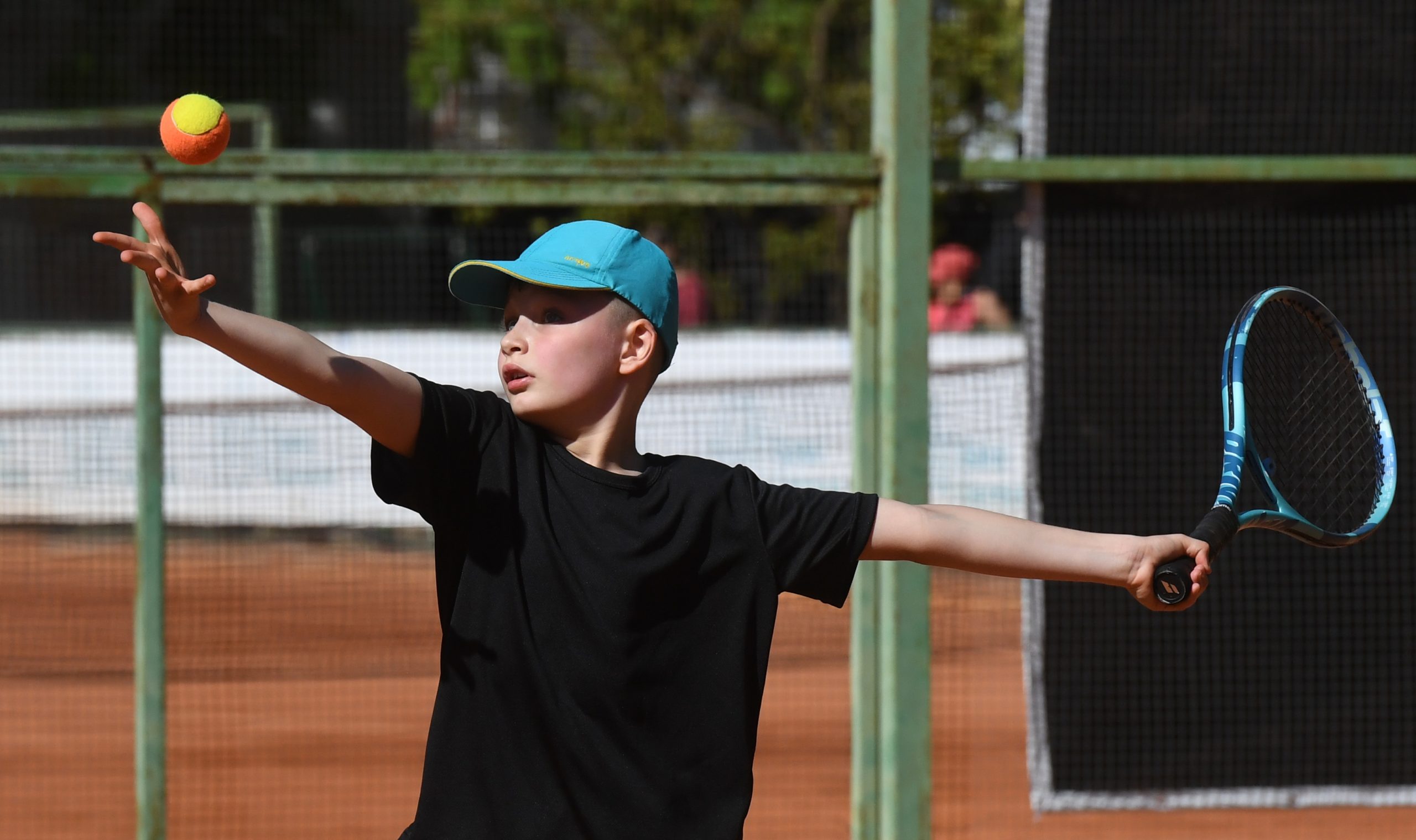
But a child begins to gain especially important experience when competitions begin. Tennis can take a child through virtually the entire spectrum of emotions in a single match: joy after winning a difficult point, anger after a simple mistake, fear of losing, hope for a comeback, disappointment, and then excitement all over again. Sometimes all of this happens in the space of just a few minutes.
In everyday life, adults often try to shield children from unpleasant experiences. On the court, this is impossible, and unnecessary. Here, a crucial skill is gradually developed: experiencing emotions without letting them completely dictate the next action. Lost the previous point? A new one begins in twenty seconds. Is the score 0-40? Keep playing. Winning the first set? The match isn’t over yet.
This is why tennis becomes a unique training ground for emotional intelligence. Children begin to better understand their own reactions to stress, notice what happens after a mistake, learn to calm down, change tactics, and return their attention to the game. Moreover, all this happens naturally – not in a psychology lecture, but directly in a situation where the emotion is truly powerful.
The role of adults is also crucial here. Tennis can be a great way to develop mental resilience, but only if parents and coaches don’t turn every lost match into a tragedy. Mistakes should remain part of the learning process, and defeats should be a source of experience, not proof that the child is “worse” than their opponent. It’s in this environment that tennis teaches that failure can be analyzed, overcome, and then returned to practice the next day.
Tennis has another characteristic that’s much less talked about: it’s an extremely intellectual game. Even a small child gradually begins to understand that simply hitting the ball hard isn’t enough. You need to see open space, spot your opponent’s weaknesses, vary the direction, height, and speed of the ball, sometimes attack, and sometimes patiently wait for the right moment.
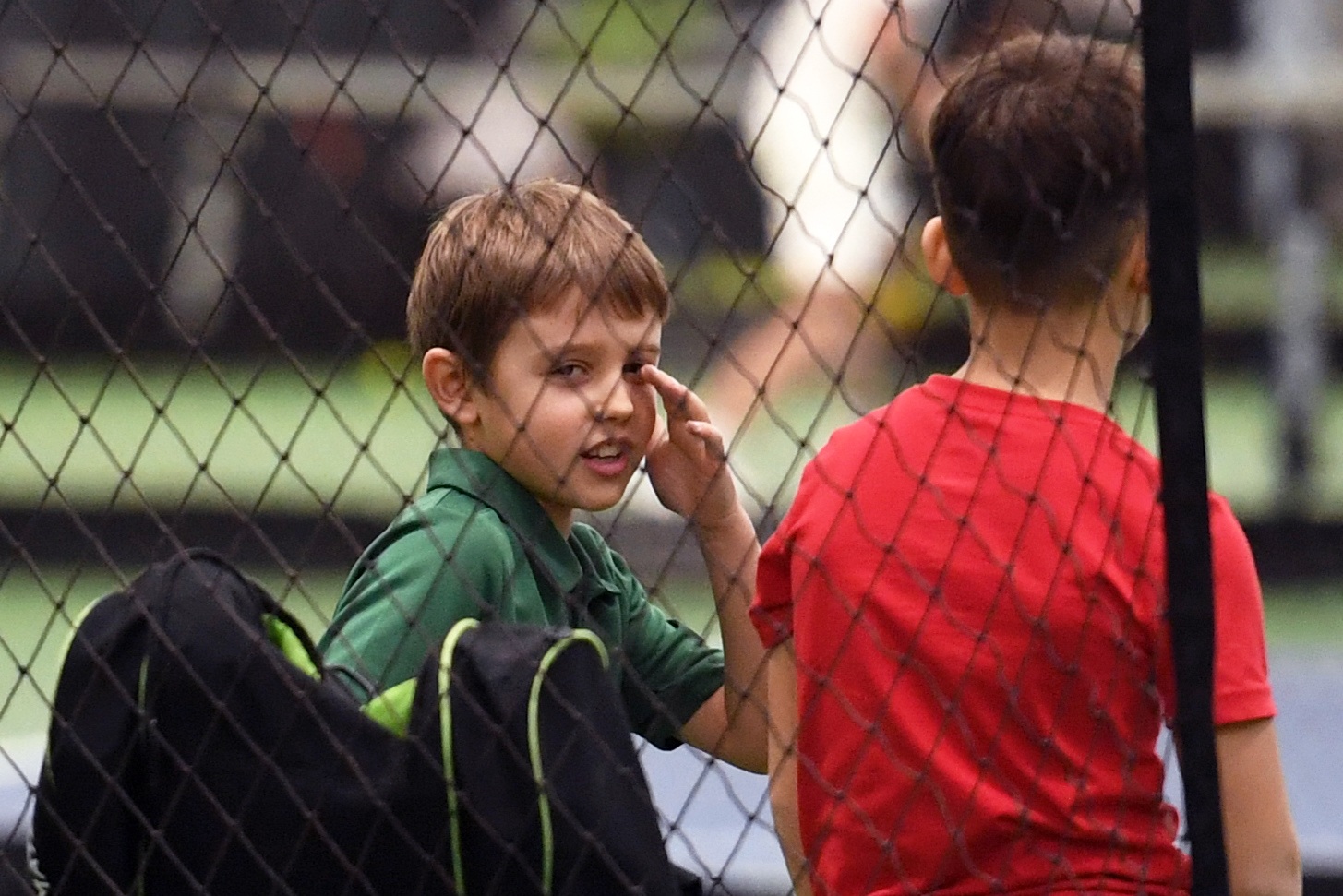
The same rally can be played dozens of ways. Therefore, the racket gradually becomes not only a sports tool for the child, but also a means of self-expression. Some players prefer to attack, others build long combinations, some unexpectedly use a drop shot, and others force the opponent to constantly move. The child begins to not just execute learned movements, but to create their own game.
In this sense, modern training is increasingly less reminiscent of the old model, where a coach demonstrates a single correct move and the student must repeat it hundreds of times. Many youth tennis programs today are built around problems that require the child to find their own solution. The French program Galaxie Tennis, for example, specifically uses game situations that allow children to experiment, take initiative, and understand why they are performing a particular technical element.
Finally, despite being perceived as an individual sport, tennis is excellent for developing social skills. Children train together, play doubles, swap roles, learn to referee matches, help their partner, and respect their opponent. Gradually, they begin to understand a very simple sporting truth: the person on the other side of the net is not the enemy. Without them, there would be no game at all.
Perhaps this is where one of the greatest benefits of children’s sports lies. Tennis gradually teaches you to win without humiliating others, and to lose without losing self-respect. Congratulating an opponent after a tough loss can be much more difficult than hitting a good forehand. But it’s these small moments that often prove more important than winning another trophy.
Therefore, the value of children’s tennis cannot be measured solely by rankings, medals, and the number of tournament wins. Of the hundreds of children who take to the court today, only a handful will become professional players. But this doesn’t mean that for the rest, their years of training were wasted.
A child may never play in a Grand Slam tournament, but they will learn to concentrate before a difficult exam. They may never become the country’s number one tennis player, but they will learn to calmly find a way out of a difficult situation. They may one day stop playing tournaments, but retain their discipline, ability to work hard, respect for others, and the ability to cope with defeat gracefully.
And perhaps that’s why one of the most appropriate questions to ask after a child’s workout isn’t:
“Did you win today?”
It is much more correct to ask:
“What did you learn today?”
Because a good tennis lesson doesn’t always end with the last hit of the ball. Much of what a child learns on the court will stay with them far longer than the results of any children’s tournament.