
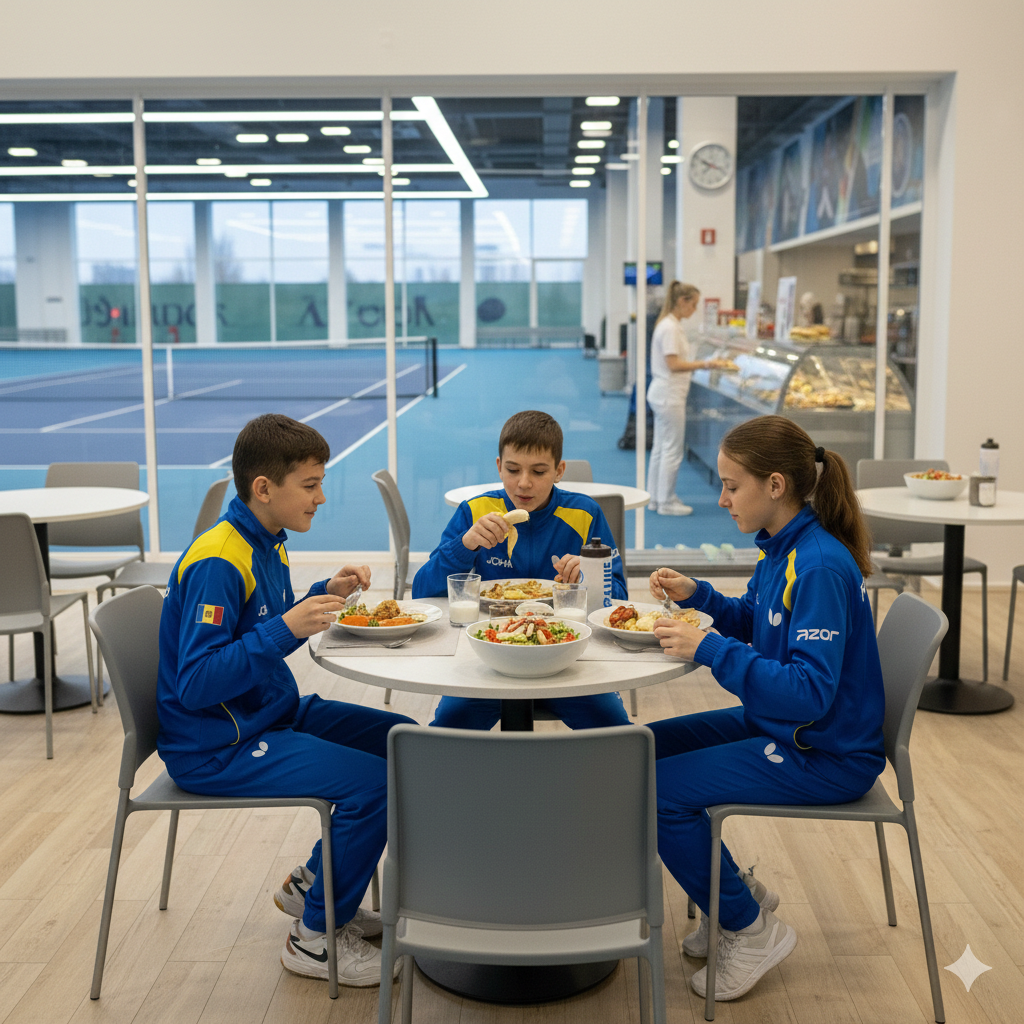
Recently, Moldovan national team coaches have increasingly noticed one alarming detail: on away trips, when they get to see the daily life of young tennis players, many of them eat extremely poorly. They refuse protein, don’t eat eggs, meat, or fish, for example, limit themselves to cornflakes with milk for breakfast, and generally don’t get what an athlete’s body needs. This isn’t a matter of taste preference or whim. It’s a matter of performance, recovery, and, ultimately, athletic performance.
Tennis is a sport that puts a lot of physical and mental strain on the body. Matches last for hours, tournament days run back-to-back, and there’s almost no time for proper recovery between games. If a child doesn’t get enough protein, carbohydrates, and fat, their body simply can’t cope with the strain. Without protein, muscles don’t grow or recover, without carbohydrates, there’s no energy for movement and concentration, and without fat, the hormonal system and overall well-being suffer. In such a situation, no amount of training or talent can save them—by the second or third match in a row, the player inevitably “fails.”
It’s important for parents to understand: sports nutrition isn’t supplements or complicated regimens. It’s regular food, but regular and balanced. A young tennis player should have at least three full meals and two snacks every day. Each main meal must include a source of protein—eggs, meat, fish, cottage cheese, yogurt, cheese, or legumes. The phrase “he doesn’t like it” isn’t an argument when it comes to health and sports. “Love” for foods is formed by habit, not the other way around.
Carbohydrates are just as important as proteins. Porridge, rice, pasta, potatoes, bread, and fruit provide the fuel needed to sustain intense training and long matches. Eating cereal and milk alone for breakfast guarantees an energy crash by mid-afternoon. Fats are also essential: nuts, olive oil, and fish help the body function smoothly and recover.
On away trips, the coach and accompanying parents’ responsibilities double. If a child is staying in a hotel, ensure they have adequate snacks in advance: fruit, yogurt, nuts, sandwiches, and water. On matchday, nutrition should be especially well-thought-out: a full meal with carbohydrates and protein a few hours before the game, a light snack closer to the match, and during a long game day, water and simple energy sources, such as protein shakes .
Without proper nutrition, it’s impossible to talk about progress. You can train hard, travel to tournaments, and dream of victories, but if a child’s body doesn’t receive the necessary fuel, they will constantly be fatigued and energy depleted. Nutrition is a part of the training process, just as important as technique, physical fitness, and psychology. This is where consistency, growth, and future results begin.
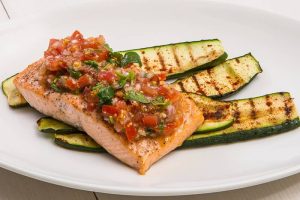
How to Feed a Young Tennis Player Properly: Specific Guidelines for Parents
- The main goal on the road: 3 meals + 2 snacks every day
Not “whenever he wants,” but on schedule . Even if the child is “not hungry” (they often simply don’t feel hungry due to stress/travel).
- Breakfast : mandatory.
- Snack : between breakfast and lunch.
- Lunch : normal, not “pie and juice”.
- Snack : before/after training or match.
- Dinner : recovery.
This approach is also recommended by sports organizations, as eating evenly throughout the day helps maintain energy and recovery.
- Protein every time the child eats
Otherwise, the body doesn’t recover; the muscles have nothing to “repair” with. You can also explain to your child: “Don’t eat protein = you won’t recover = your legs will suffer.” It’s simple, honest, and it works.
Protein guidelines: Active athletes typically aim for a range of approximately 1.2–2.0 g/kg/day (depending on training load).
1 serving of protein = a palm -sized piece of chicken/fish/meat, or 2 eggs , or 200 g of yogurt , or 150–200 g of cottage cheese , or a serving of legumes .
If “I don’t like eggs” : congratulations, your child is not unique. There are substitutions:
- Greek yogurt / cottage cheese
- cheese + whole grain bread
- chicken/turkey/fish
- tuna
- beans/chickpeas/lentils
- milk/kefir + sandwich with cheese/ham
- Carbohydrates are gasoline, not “sugar for weaklings.”
Tennis is an interval sport. If a child eats only cereal and avoids normal carbohydrates, they’ll be “empty” by mid-afternoon.
Carbohydrate recommendations for athletes vary depending on their activity level, but sports nutritionists often use guidelines of around 6–10 g/kg/day for serious training (adults/adolescents), and comparable ranges for children are also used in reviews during high activity.
In practice, this means that each main meal should include:
- porridge/rice/pasta/potatoes/bread or fruit + cereal
- plus vegetables
- plus protein
- Fats: Don’t be afraid, but choose normal ones
Fats are essential for the proper production of hormones, brain function, and vitamins. Just don’t base your diet on french fries and sausages.
Normal sources:
- olive oil
- nuts
- avocado
- fish
What exactly to do at the hotel for breakfast
If your child only chooses cereal with milk, here’s what you do:
The “2+2” rule for breakfast:
- 2 sources of carbohydrates : porridge/bread/fruit/yogurt with granola
- 2 sources of protein : eggs/yogurt/cottage cheese/cheese/ham/milk
Examples of “working” breakfasts (as used by NCAA teams): eggs + porridge + fruit; toast with peanut butter or butter + banana + milk; eggs/yogurt + cereal + fruit (but not “cereal alone”).
Match Day Nutrition: To Keep Your Child Fit
2-3 hours before the game
- normal meal: carbohydrates + protein , minimum heavy fat.
In 30-60 minutes
- light carbohydrate snack: banana, bar, yogurt, bread.
During matches/long days
- isotonic drink if necessary (especially if hot/high sweating)
- simple carbohydrate: banana, cookie, candy bar
You can have talent, a €4,000 racket, and the same level of fitness as a pro. But if a child lives on cereal while traveling, they’re training on credit, which their body will later repay with fatigue, injuries, and setbacks.